As more organisations and homeowners switch onto the benefits of energy savings, increased emphasis is being placed on energy efficient products and solutions. David Lewis from Schneider Electric, discusses the options available to help contractors in the first step of the energy efficiency process:

Electrical contractors have a role to play by advising customers on how they can lower their energy consumption. This will enable contractors to add value in the specification process, upsell when tendering for a contract and maximise the opportunities available in existing installations.
When it comes to achieving greater energy efficiency, the way to manage and improve energy usage can be broken into four simple steps - measure, fix the basics, automate, and monitor and improve.
Before reducing costs, a customer needs to know what it spends. By measuring energy usage through metering, energy audits and simple bill analysis, it is possible to monitor the consumption of installations, areas and different systems, such as heating and lighting, to identify where savings can be made.
This may sound like too sophisticated an approach for homeowners, but if any energy user does not first measure how much they consume, then it's difficult to implement effective changes. The question of how 'green' can a home or business really be is determined by the suitability of the devices installed and the behavioural changes made.
Firstly - turn it off!
Firstly, measurement is not just about physical recordings. The most basic approach a customer can take is to carry out behavioural measurement - if they know a device has been switched off then it's not using power.
Secondly, suggest customers take regular meter readings, which means they can keep track of their energy consumption and cut back if necessary. In addition, advise customers to analyse their bills comparing daytime and evening consumption. It may highlight a few surprises - if there is high usage during the day when nobody is at home, it may be that unused electrical equipment such as TVs, computers and radios are left on standby. Switching off or unplugging these devices can lead to significant savings.
Part L2 of the Building Regulations:
In a bid to reduce the UK's carbon emissions, Part L2 of the Building Regulations (see the February VoltiTECH for much more on Part L) demands new builds, major refurbishments and any other commercial premises to account for the usage of 90% of each fuel type, meaning metering should be fitted.
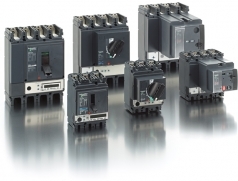
Today there is an array of measuring technologies available to help organisations keep track of their energy consumption. These range from individual metering and monitoring devices, to products where metering is integrated into another technology commonly found in an electrical circuit such as a distribution board or circuit breaker. The array of options means there is a suitable solution for retrofit and refurbished or new build applications, such as Schneider Electric's Compact NSX MCCB and the Isobar split metering board.
Type A and B split metered distribution boards are suitable for single and three phase applications to monitor energy consumption. Other technologies available include metering and monitoring devices such as Powerlogic or a retrofit metering kit with split core current transformers.
Offset the cost:
Using monitoring equipment and software will identify where energy is being consumed and some of the technologies available are now recognised by the Government led Enhanced Capital Allowance Scheme. For example, Schneider Electric's PowerView software can read from up to 32m away and allows data to be read on the user's computer. This enables businesses to offset the cost of energy efficient products and technologies against their tax bill, provided they use equipment, which is included on the Energy Technology List.
Learn all about it:
In addition, manufacturers also provide courses to inform contractors about the latest developments and industry issues. For example, Schneider Electric works in conjunction with its network of Authorised Distributors to offer installers access to training courses, designed to inform them on the extensive range of solutions available to boost the profitability of a project. The free events take place at wholesalers' branches and highlight how contractors can increase the value of residential and small commercial installations, focusing on wiring accessories, home networking and lighting control applications.
There are an extensive range of solutions and services available to help contractors add value to the service they offer customers - whether it's a business or a home. Measurement is just the first step in the process towards achieving effective energy management and contractors are well placed to help spread the message about how easy energy efficiency can be.
By advising customers on the measurement techniques they can implement, electrical contractors can help customers to save money, lower their carbon footprint and meet legislative commitment, while enhancing their credibility and boosting revenue.