
Experts urge the lighting industry to embrace transparency, critical analysis, and meaningful use of environmental data.

Experts Challenge Industry
This year’s Light25 hosted talks from a range of lighting experts. Kael Gillam, Senior Associate at Hoare Lea Lighting, and Max Robson, Environmental Metrics Manager at Recolight, delivered an insightful presentation on the use of Environmental Product Declarations (EPDs) and transparent data in the lighting industry.
The presentation, titled “Your data isn’t good, it’s just data,” challenged assumptions about EPDs, noting that they are used to present data, not qualitative claims. But that correct interpretation of these data can help realise sustainable lighting.
Understanding and Using EPDs
The speakers emphasised the importance of correct data interpretation, noting that the lighting industry must develop skills to read EPDs. They explained how to identify reputable EPDs, interpret their results and integrate this information into design workflows.
Max noted, “We shouldn’t generate EPDs for the sake of it. Environmental data enables informed decisions, improving manufacturing or influencing specification.”
From Data to Design: Integrating Sustainability
Kael described integrating EPD results into design workflows: “Product choices should align with client sustainability credentials, carbon budgets, and green building credits. Narrative and human experience remain important, even as data-driven decisions grow.”
The Importance of Transparent Comparison
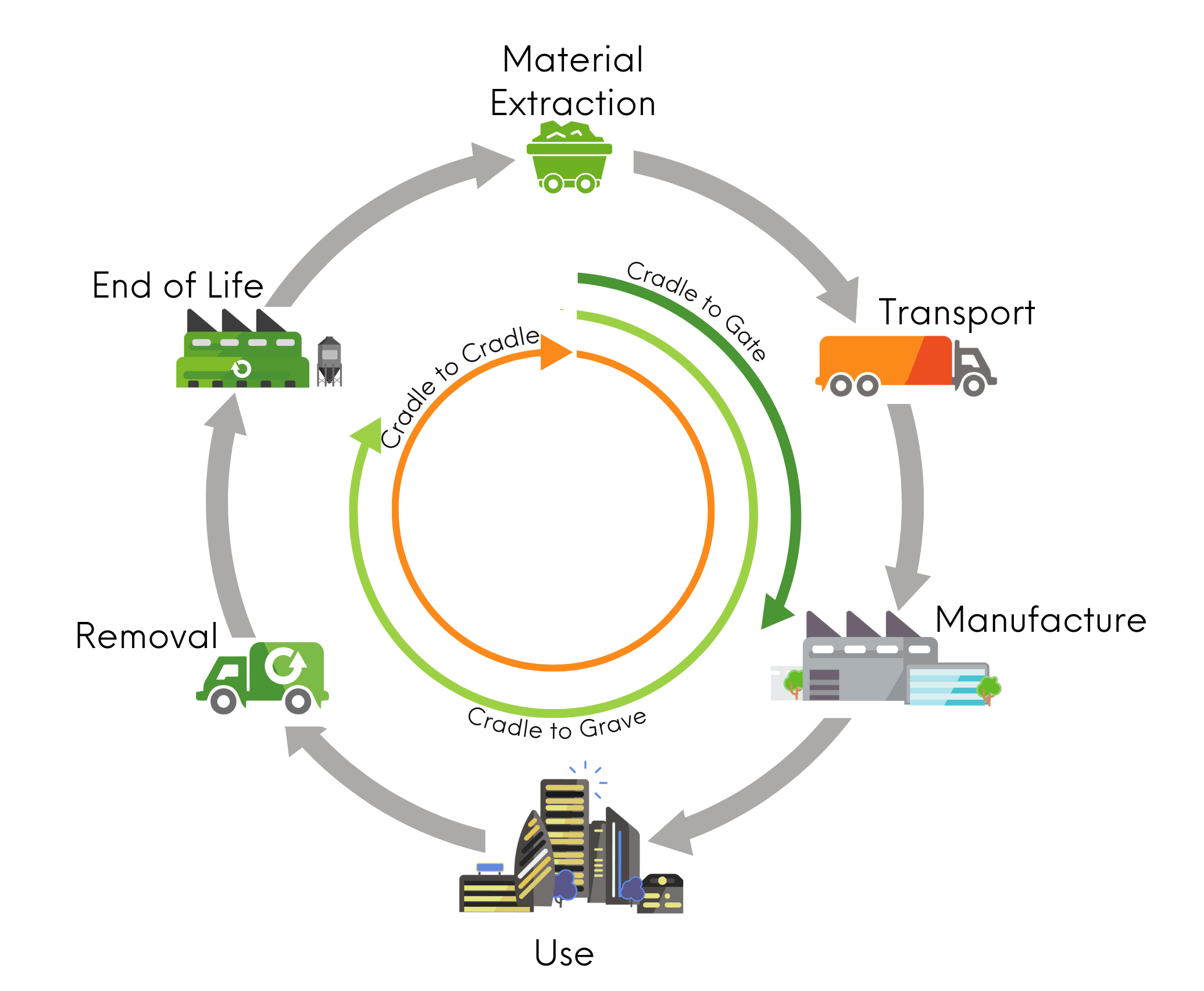
Both speakers highlighted the complications of comparing EPDs. Programme operators, modelling assumptions, and luminaire criteria affect results. EPD data can be reported as a declared unit (one product’s footprint) or a functional unit (footprint for lighting a space over time). Meaningful comparison between products can only start to be realised when both sets of results are compared at the functional unit level.
Focus on What Matters
Kael advised designers focus on key life cycle stages: material extraction, transport, and manufacture, which rely on more “real” data. Whereas, modelling the product’s use and end of life processes rely heavily on assumptions.
Ultimately, EPD data should be considered as part of a bigger picture and consolidated with other performance criteria.
Recolight’s One-Off EPD Service
In closing Max mentioned Recolight’s One-Off EPD service, which helps manufacturers obtain independently verified environmental data. Delivered via One Click LCA, it aims to make EPDs accessible and empower sustainable choices.
Recolight Webinar | EPDs: A User’s Guide | 29 January 2026
Max and Kael will join Irene Mazzei PhD, Sustainability Lead at Stoane Lighting, for a webinar on 29 January 2026. They will dive deeper into EPD interpretation, specification, and the realities of generating EPDs for manufacturers. The session, chaired by Ray Molony, is free to join, with slides shared with registrants.